
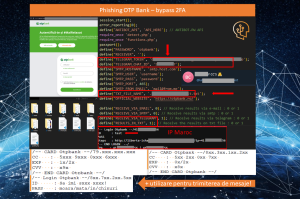
Bank phishing and 2FA bypass: analysis of a campaign targeting OTP Bank customers
Analysis published in January 2024, based on the investigation of a real phishing campaign targeting OTP Bank Romania customers.
Bank phishing with two-factor authentication bypass (2FA bypass) works like this: the victim lands on a clone of the bank’s website and enters their details, which the attacker uses in real time on the real website. When the bank sends a code by SMS, the victim types it into the fake page as well, and the attacker passes it on to the bank. Two-factor authentication is defeated with the victim’s own help.
Key points
- The fake pages were hosted on compromised servers in Japan, without the administrators’ knowledge.
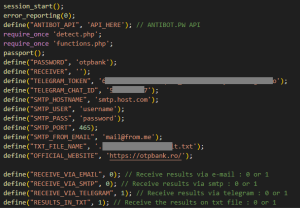
- Stolen data reached the attacker through two channels: a Telegram bot and a text file on the server.
- The kit collected name, national ID number, phone, login credentials, full card details and the SMS code.
- Test traces pointed to operators in Morocco (Tangier and Casablanca).
- 2FA protects only if the user never hands the code to anyone; customer education remains decisive.
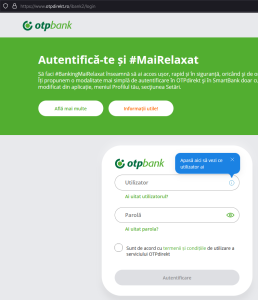
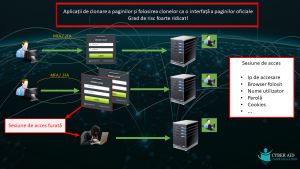
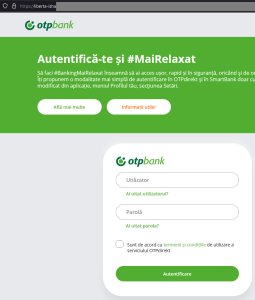


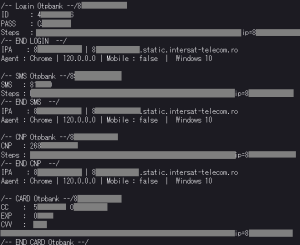
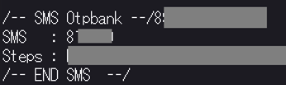 The victim receives that SMS and writes it in the fake page, and the criminal copies it and sends it to the bank… so he has done the double authentication with the help of the victim, who doesn’t realise that someone is brokering this whole authentication process. After this stage, the offender is authenticated on the banking platform and can act at will.