🌟 “The Criminal Relevance of Artifacts Identified in Cybercrime Investigations”🌟


We are excited to announce our participation in the 3rd edition of the International Conference “Forensic Science and its Implications in the Development of Human Society” (FOSIDHUS), which took place on May 25, 2024, at Casa Universitarilor in Iași. This edition’s theme was “The Challenges of Forensic Science in the Digital Age.”

At this prestigious event organized by the Faculty of Law of “Alexandru Ioan Cuza” University of Iași, we had the honor of presenting our paper titled “The Criminal Relevance of Artifacts Identified in Cybercrime Investigations.” Together with my colleague Florin Zaborilă, we discussed the importance of digital artifacts in the context of criminal investigations and their impact on judicial procedures.


We would like to extend our special thanks to the conference organizers, especially Mrs. Ancuța Elena Frantz, for her dedication and efforts in organizing this successful event. We also thank the National Institute of Forensic Expertise, represented by Mr. Gabriel Dumitru Păduraru, forensic expert, for the organizational support.

We appreciate all the participants and colleagues for their presence, involvement in valuable discussions, and exchange of ideas! We are glad to be part of this academic and professional community dedicated to advancing forensic science.

Presentations made by specialists from the private sector at conferences like the International Conference “Forensic Science and its Implications in the Development of Human Society” are pivotal in advancing knowledge and practice in forensic science. Here are key reasons why these presentations are invaluable:

  1. Bringing real-world expertise: Specialists from the private sector regularly engage with cutting-edge technologies and face diverse practical challenges in their daily work. Their presentations provide valuable real-world insights and experiences to the academic and professional community, effectively bridging the gap between theory and practice.
  2. Sharing advanced techniques and tools: The private sector is often at the forefront of technological innovation. Presentations by these specialists can introduce new techniques, tools, and methodologies that have been developed and tested in real-world scenarios, providing attendees with current knowledge and practical applications.
  3. Enhancing collaboration: Conferences provide a platform for fostering collaboration between the private sector and academic or governmental institutions. Such collaboration can lead to the development of comprehensive and effective strategies for tackling cybercrime and other forensic challenges.
  4. Influencing policy and best practices: Insights from the private sector can inform the development of policies and best practices within forensic science. Their experiences can highlight gaps in current approaches and suggest improvements, thereby enhancing the overall effectiveness of forensic investigations.
  5. Professional development and networking: Presentations by private sector specialists offer attendees opportunities for professional development. Participants can learn about the latest trends and developments in the field and engage in networking that may lead to future collaborations, job opportunities, or partnerships.
  6. Stimulating innovation and research: By presenting new findings and case studies, private sector experts can inspire further research and innovation within the academic community. Their contributions can help identify new areas of study and spur the development of novel solutions to forensic challenges.

🔒💻 I had the honor of accepting the invitation to participate as a lecturer at the cybersecurity session dedicated to prosecutors and officers specialized in #investigating #cybercrime.
..with Florin Ionut Zaborila

📖 During my presentation, titled “Theoretical and Practical Aspects of Cybersecurity, Methods of Compromising Information Systems, Useful Information for Judicial Authorities in Investigating Cybercrime,” I addressed essential topics to strengthen the technical investigative capabilities of law #enforcement #agencies.

🔍 This session is part of the annual #training program organized by the Prosecutor’s Office attached to the Iași Court of Appeal and the General Inspectorate of the Romanian Police – Directorate of Criminal Investigations.
🙏 I am deeply honored to share my expertise in cybercrime and contribute to the enhancement of the knowledge and skills of colleagues involved in cybercrime investigations.
🤝 Special thanks to the organizing institutions for the invitation and their ongoing commitment to training and developing specialists in #cybersecurity.

The importance of public-private collaboration in Cybercrime Investigation

Collaboration between the public and private sectors is essential in investigating cybercrime due to the complexity and speed with which threats in the online environment evolve. This collaboration offers numerous advantages that can make a significant difference in effectively combating cybercrime:

  1. Access to advanced technology: The private sector, especially technology companies, often possesses advanced resources and technological tools that can be essential in investigating and preventing cybercrime. Through partnerships with these companies, law enforcement authorities can access these resources, enhancing their investigative capabilities.
  2. Information and intelligence sharing: Collaboration enables the rapid and efficient exchange of information and intelligence between public and private entities. This is crucial for identifying and responding promptly to new threats and tactics used by criminals.
  3. Expertise and training: Private companies can offer valuable expertise and training opportunities for personnel in the public sector. Training programs and workshops supported by industry experts help develop the technical skills of officers and prosecutors, contributing to a better understanding and management of cyber incidents.
  4. Additional resources: Investigating cybercrime often requires considerable resources. Through collaboration with the private sector, law enforcement authorities can benefit from additional resources, including financial, logistical, and human resources, to support complex investigations.
  5. Innovation and Adaptability: The private sector is often more agile and capable of rapidly innovating in response to new threats. Public-private partnerships allow authorities to adopt innovative solutions and adapt more quickly to the constantly changing cyber landscape.
  6. Improvement of policies and legislation: Through ongoing dialogue between the public and private sectors, more effective and better-adapted policies and laws can be developed to meet the real needs and current challenges in the field of cybersecurity.

Public-private collaboration not only strengthens the investigative capabilities of authorities but also creates a united front against cybercrime, ensuring better protection for citizens and critical infrastructures.

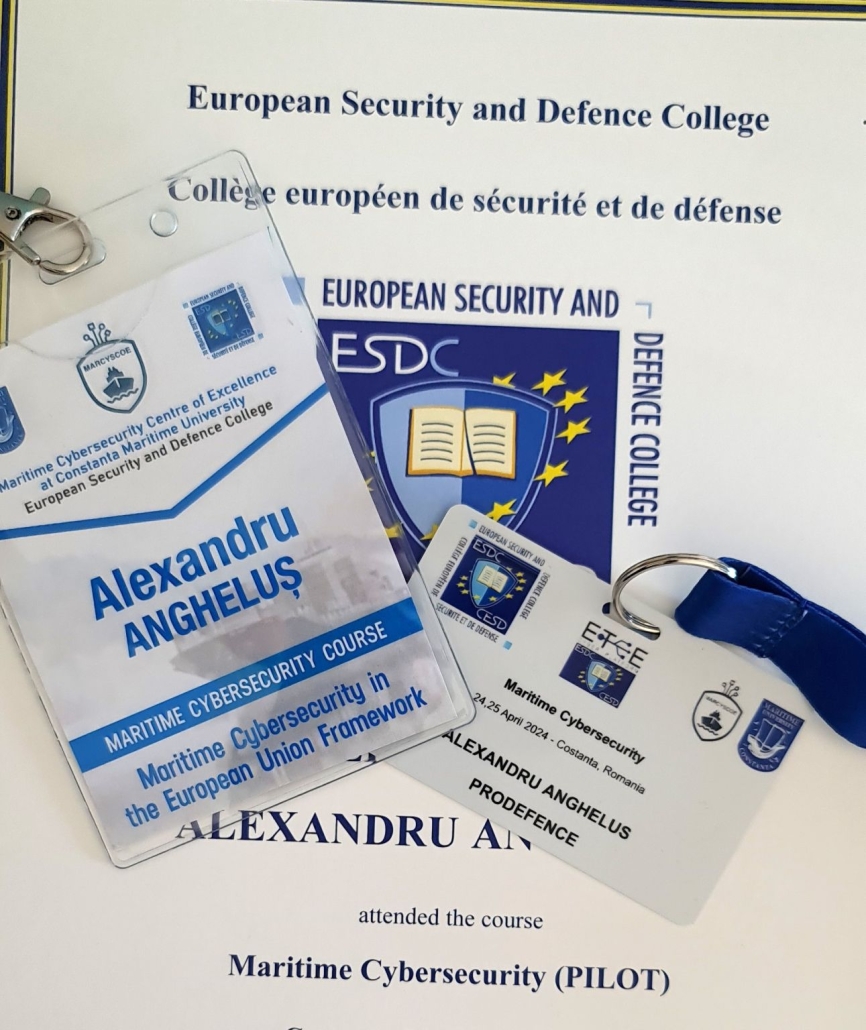
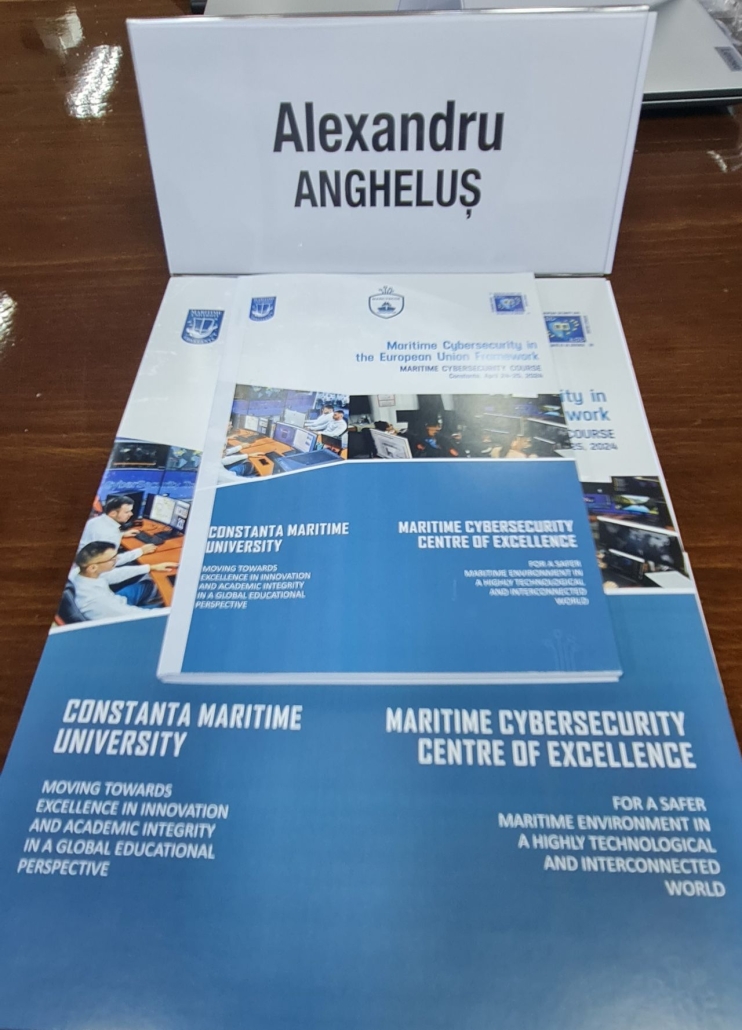
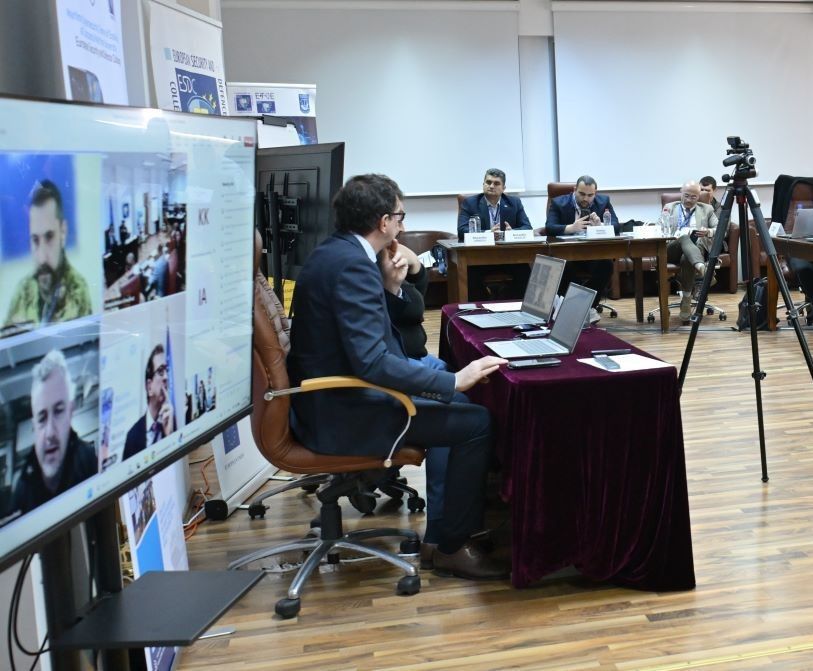
🌐🛡️ Thrilled to share insights from my participation in the Maritime Cybersecurity Course hosted by the MARITIME CYBERSECURITY CENTRE OF EXCELLENCE (MARCYSCOE) at Constanta Maritime University! This transformative two-day program was organized under the prestigious aegis of the European Security and Defence College (ESDC), focusing deeply on the critical area of maritime cybersecurity.


In the digital era, where maritime operations heavily rely on interconnected technologies, the importance of robust cybersecurity strategies cannot be overstated. The course provided us with comprehensive knowledge on EU maritime cybersecurity #policies, cutting-edge technological #tools, and advanced #strategies for identifying and managing #cyber #threats.


A significant highlight was the #collaboration and interaction with fellow participants from Romania and various other countries. This diverse gathering not only enriched our learning experience but also underscored the importance of international cooperation in tackling global cybersecurity challenges. The mix of #public and #private sector participants fostered a dynamic exchange of ideas and best practices, paving the way for stronger cross-border and cross-sector partnerships.


Thanks to the expert-led classes, interactive workshops, and real-world case studies, we are better equipped to enhance our cyber #defense capabilities and safeguard our maritime infrastructures. A big shoutout to the Maritime Cybersecurity Centre of Excellence for orchestrating such an impactful program.
As we continue to advance our cybersecurity #frameworks and collaborate across borders, we are collectively strengthening our defenses against evolving cyber threats, ensuring a #safer maritime future for everyone.

The presentations/discussions on #cybersecurity and #cybercrime always manage to arouse the participants’ curiosity and desire to learn more about cases, investigations, victims, money and criminals.


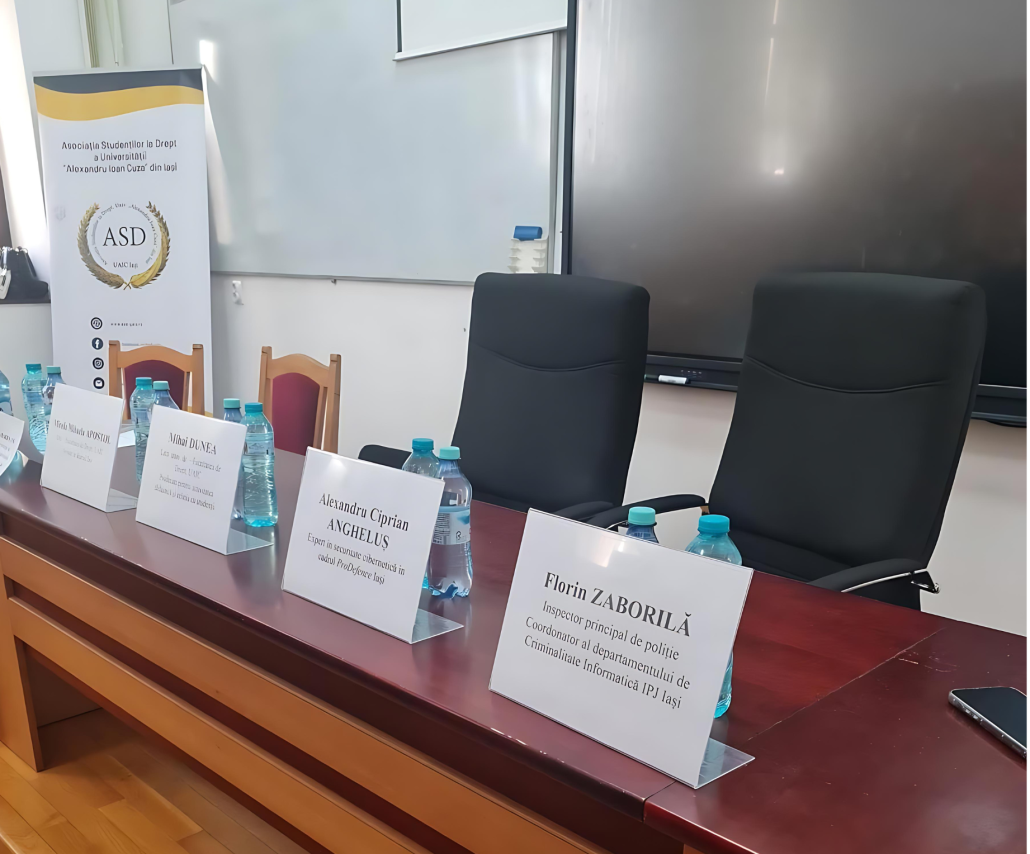
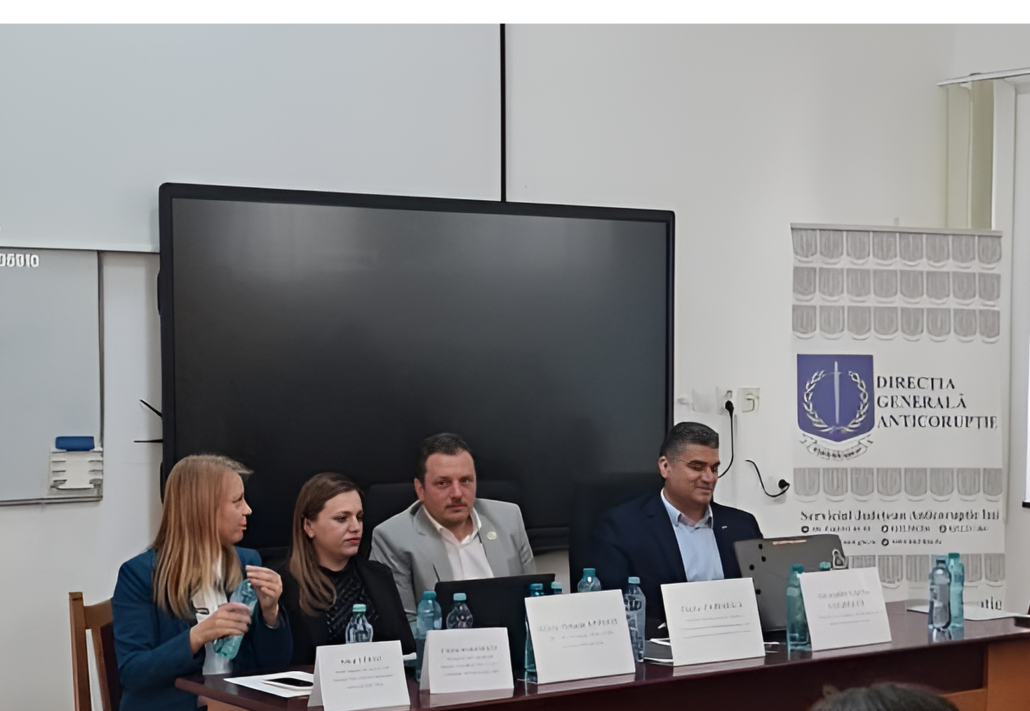
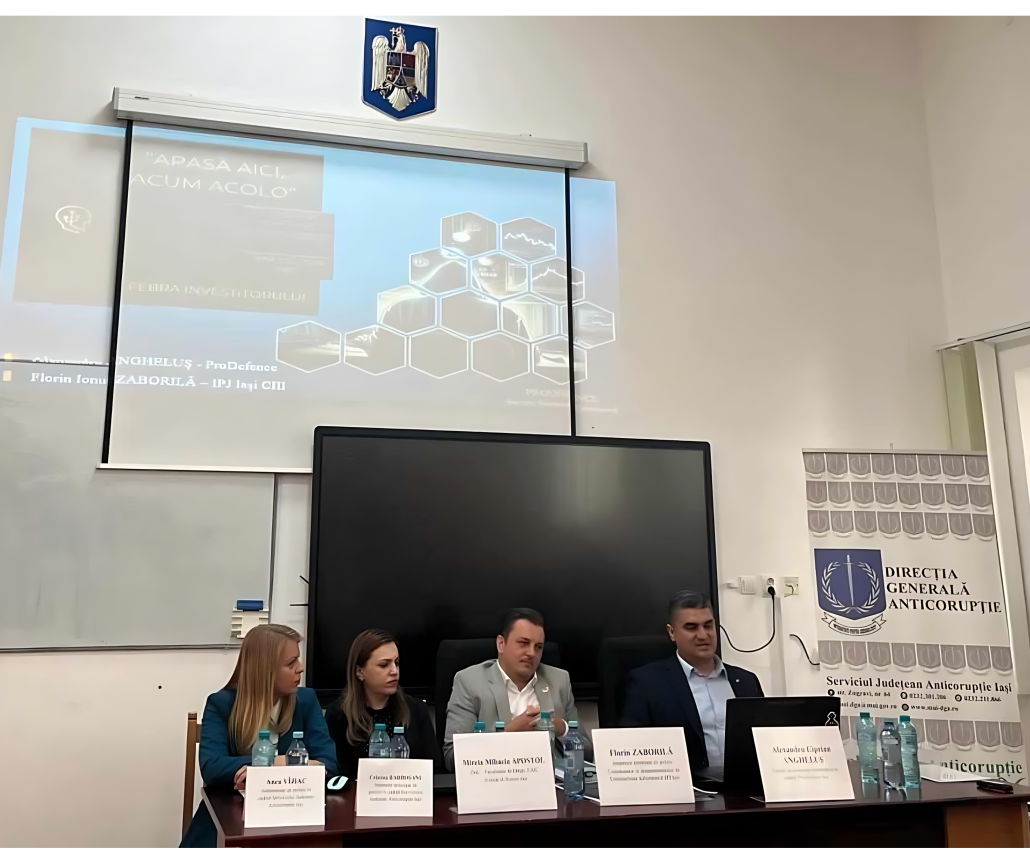
The Master’s Week, organized by the Law Students Association Iasi, gave us the opportunity to present a small part of the work of investigators of #informatic crimes, underlining the importance of combining legal and technical aspects.

The cyber fraud analysis “Investor Fever” is recommended to all internet and technology users to understand the evolution of financial fraud!

Disseminating this information is essential to educate and sensitize the general public, especially those preparing for a career in the legal profession. A thorough understanding of cyber security issues and how cyber investigations are conducted is crucial for future legal professionals. They must be prepared to tackle the complex and ever-changing challenges in the cybercrime landscape.

The importance of collaboration between legal and technical aspects cannot be emphasized enough. In an increasingly digitized world, lawyers, judges and other legal professionals need to be able to interpret and apply the law in the context of cybercrime. What’s more, this increased knowledge contributes to a successful career, as cybersecurity skills are becoming increasingly sought after.

On this occasion I had the pleasure to participate in the presentation prepared by the team of the General Anticorruption Directorate (DGA), Iasi County Anticorruption Service and I can say that I found out extremely important #information.

Thank you to Mr. Inspector Florin Ionut Zaborila, Coordinator of the Computer Crime Investigation Department of IPJ Iași, for his permanent #collaboration and involvement in disseminating information / warnings about the dangers of the online environment!

We thank the organizers and the University “Alexandru Ioan Cuza” of Iași for the invitation! This initiative has been an important step in educating and preparing future legal professionals, helping to shape an informed and competent generation in the face of modern cyber challenges.

In the information age, perception control has become one of the most valuable and disputed strategic resources of the contemporary digital world. Even more important than controlling infrastructure or capital, the ability to shape what people believe, feel and think has become an essential tool of influence – used in the political environment as well as in the economic, social or ideological sphere.

Paradoxically, this phenomenon takes place in a digital ecosystem that claims to be free and democratizing, promising equal access to information and freedom of expression. In reality, we are witnessing a sophisticated form of colonization of mental space: attention is fragmented, emotions are captured, and beliefs are directed without brute force, but through a subtle, integrated and permanent process.

Behavioral profiling, disinformation and psychological manipulation no longer function as separate entities, but merge into a unitary, automated and algorithmic mechanism, perfectly calibrated to achieve precise goals – from commercial conversions, to the orientation of political decision-making or the radicalization of public opinion. These three components, once activated in tandem, manage to create an apparently spontaneous information flow, but strategically built to induce predictable behaviors.

This reality is no longer hypothetical and does not belong to the future. It is the immediate present. The way in which personal decisions are influenced, the way in which public opinions are shaped and the way in which mass behaviors are directed demonstrate that psychological and informational control mechanisms have become an integral part of the global digital architecture. And in many cases, this control is exercised without the informed consent of individuals, often without them being aware that they are being targeted or influenced.

In this context, the question is no longer whether we are influenced, but how, by whom and for what purpose.

How do we regain our autonomy?

In such a complex context, the solution can be neither simplistic nor unilateral. Not an application, not a platform and not even a law can, on their own, stop the deep and systemic dynamics of digital manipulation. What is needed is an integrated, systemic and sustained strategy, articulated on several lines of action, which would strengthen the individual and collective capacity for informational resistance.

1. Understanding the logic behind manipulation

The first step in the process of regaining cognitive autonomy is to decode the mechanisms by which we are influenced. Generic advice such as “don’t believe everything you read” is not enough. Citizens need to understand how personal data is collected, analysed and used, how persuasive messages are designed and how behaviours are shaped by algorithmic or emotional stimuli. This understanding not only debunks myths, but gives individuals control over their own attention, opinions, and reactions.

2. Reconstruction of critical reflexes

Critical thinking is a fundamental skill, but it doesn’t just mean suspicion or mistrust. It involves the ability to analyze the intention, context, discursive structure, and motivation behind a piece of information. This ability is not developed naturally, but through continuous training, guided exposure to examples of manipulation and the use of semantics, logical and discursive analysis tools. The reconstruction of critical reflexes means a deep pedagogical process, not just a defensive reaction.

3. Digital education as a strategic infrastructure

Digital literacy is no longer a luxury, but an essential condition for cognitive survival in a digital environment saturated with influence. Digital education must be approached as a national security infrastructure: just as we protect physical borders, we must also protect mental borders. A digitally educated society is less manipulable and much more resilient to disinformation campaigns.

4. Trust networks and information validation

In a world where truth is relativized and factual consensus is eroded, trust becomes a strategic vector. It is vital to build and maintain content validation networks – made up of journalists, researchers, independent experts and credible institutions – capable of providing clear benchmarks and countering toxic narratives in real time. In the absence of these networks, the public space fragments, and individuals become trapped in incompatible information bubbles.

5. Practicing collective lucidity

Manipulation works most effectively in isolated, vulnerable, radicalized groups – where dialogue is suspended and thinking becomes tribal. That is why cultivating an authentic dialogue, supporting the pluralism of ideas, promoting the culture of debate and encouraging civic empathy are real forms of collective immunity. Lucidity is not just an individual trait, but a social resource that is constantly practiced and maintained.

Regaining autonomy in a manipulated digital world is not a singular act, but an ongoing educational, civic and cultural process. It is a collective approach, in which each actor – individual, community, state – has an essential role to play. Without this synchronized effort, we risk becoming mere passive receivers of a shadow-controlled reality.

What do we risk if we don’t act?

In the absence of systemic intervention – educational, cultural and institutional – the major risk is the gradual but profound loss of mental and social autonomy. We are facing a reality in which manipulation becomes invisible, integrated into the daily routine, and influencing perception is no longer an exception, but a norm.

This subtle but effective form of control does not manifest itself through direct coercion, but through the continuous shaping of individuals’ cognitive and emotional framework. Result? A contemporary form of digital slavery, in which people end up adopting beliefs, expressing emotions and making decisions that no longer authentically belong to them, but which they perceive as their own.

The impact is twofold and deeply interconnected:

At the individual level:

  • Loss of cognitive autonomy – the individual loses the ability to distinguish between his own thoughts and suggestions implanted from the outside;
  • Radicalization and internal polarization – the lack of exposure to divergent opinions favours rigid, extreme beliefs;
  • Information stress – the avalanche of contradictory stimuli generates confusion, anxiety and mental exhaustion;
  • Social alienation – disconnection from the common reality leads to the isolation of the individual and the deterioration of interpersonal relationships.

Collectively and societally:

  • Extreme polarization of the public space – social discourse fragments into incompatible ideological bubbles;
  • Crises of trust – in institutions, the press, authorities, but also between social groups or generations;
  • Democratic instability – elections and policies can be hijacked through disguised informational influence;
  • Increased exposure to information wars – in which manipulation becomes a strategic weapon, used to destabilize states, weaken internal cohesion and influence development directions.

Inaction is not a neutral option. In the current context, not reacting is equivalent to ceding the informational space to actors who have divergent interests towards the common good. The longer we delay intervening through education, regulation, dialogue and solidarity, the harder it will be for us to rebuild society’s autonomy and coherence.

Final Thoughts

In today’s digital ecosystem, profiling, disinformation, and psychological manipulation no longer operate as isolated phenomena. They function as a coordinated, interdependent system designed to influence perception, behaviour, and collective decision-making—often without the awareness or consent of those affected.

This convergence of tactics marks a profound shift: it’s no longer just about protecting personal data or questioning information sources, but about reclaiming cognitive autonomy in a reality increasingly shaped by invisible, strategic forces.

Understanding the full scope of these three mechanisms—how they reinforce each other, how they are deployed to manufacture synthetic realities, and how they can reshape societal dynamics—is critical. Without this insight, we remain vulnerable to campaigns that polarize public discourse, manipulate democratic processes, and fracture social trust.

There is no single solution. No app, policy, or platform alone can restore balance. What’s needed is a strategic, systemic response—grounded in digital education, critical awareness, and resilient networks of trust. In a world where truth can be cloned, distorted, or overwritten, lucidity and digital literacy are no longer luxuries—they are essential forms of defence.

The presentations/discussions on #cybersecurity and #cybercrime always manage to arouse the participants’ curiosity and desire to learn more about cases, investigations, victims, money and criminals.

The Master’s Week, organized by the Law Students Association Iasi, gave us the opportunity to present a small part of the work of investigators of #informatic crimes, underlining the importance of combining legal and technical aspects.


On this occasion I had the pleasure to participate in the presentation prepared by the team of the General Anticorruption Directorate (DGA), Iasi County Anticorruption Service and I can say that I found out extremely important #information.

Thank you to Mr. Inspector Florin Ionut Zaborila, Coordinator of the Computer Crime Investigation Department of IPJ Iași, for his permanent #collaboration and involvement in disseminating information / warnings about the dangers of the online environment!

We thank the organizers and the University “Alexandru Ioan Cuza” of Iași for the invitation!

Presentations/discussions about #cybersecurity and #cybercrime consistently arouse the curiosity of participants and the desire to learn more about cases, investigations, victims, sums of money, and the criminals involved.

The Master’s Week, organized by the Law Students Association – UAIC Iași, provided us with the opportunity to present a small part of the activity of cybercrime investigators, highlighting the importance of combining legal aspects with technical ones.

On this occasion, I had the pleasure of attending the presentation prepared by the team from the General Directorate for Anti-Corruption, Iași County Anti-Corruption Service, and I can say that I learned #extremely important information.

Mr. Chief Inspector Florin ZABORILĂ, Coordinator of the Cybercrime Investigations Department, within the Iași County Police Department, thank you for the ongoing #collaboration and for his involvement in disseminating information/warnings about online threats!
Thank you to the organizers and the “Alexandru Ioan Cuza” University of Iași, for the invitation!

#collaboration #education #cibernetics #warnings #crime #fraud #engagement #collaboration #education #cybernetics #warnings #crime #fraud #involvement

In today’s digital age, safe internet browsing and protecting personal data are top priorities. However, many technology and internet users are unaware of cyber threats and how to protect themselves against them. Fortunately, there are a wide range of cyber education courses available that provide essential information and training to protect your online identity and navigate the digital world safely. Here you will find a detailed analysis of the benefits and content of these courses:

1. Protecting Your Online Identity

The cyber education course usually starts with basics like protecting your online identity. They provide training on how to create strong and unique passwords for each online account, how to use two-factor authentication, and how to be aware of common phishing techniques used by cybercriminals to steal personal information.

2. Prevention of Electronic Fraud

With more and more financial transactions taking place online, it’s crucial to learn how to protect your financial information and identify and avoid scam schemes. Cyber education courses teach you how to protect your credit cards and bank accounts, how to identify unsafe websites and how to avoid becoming a victim of electronic fraud.

3. Safe Internet Surfing

The Internet is full of valuable information, but also of hidden dangers. Cyber education courses give you tips and techniques for safe surfing on the internet, including how to identify and avoid malware-infected websites, how to protect your personal data while surfing online and how to be aware of data privacy threats.

4. Device Security

Our digital devices, such as smartphones and laptops, are often vulnerable to cyber attacks. Cyber education courses teach you how to protect your devices from malware and viruses, how to update your software regularly to prevent security vulnerabilities, and how to be aware of recommended security practices for your digital devices.

5. Updating Knowledge

As technology evolves, so do the methods of cyber attack. Therefore, it is important to keep your knowledge up to date and always be aware of the latest threats and protection techniques. Cyber education courses give you the opportunity to continuously learn and hone your cyber security skills.

Cyber education courses

As far as these cyber education courses are concerned, they are valuable tools for anyone using technology and the internet. By attending these courses, you can gain essential knowledge and skills to protect your online identity and navigate safely in the ever-changing digital world. Don’t underestimate the importance of cyber education in today’s digital age! Investing in cyber education can be the key to protecting your personal information and ensuring a safe and confident online experience.

Strategic considerations, operational risks and security requirements in an emerging cyber-physical ecosystem

The integration of drones (UAVs – Unmanned Aerial Vehicles) into civilian, commercial and government operational processes is one of the most accelerated technological transitions of the last decade. From inspection and monitoring activities, to critical security, logistics or data collection operations, UAVs have become indispensable tools in many sectors.

However, this rapid adoption has been dominated by considerations of efficiency, cost and technological capability, to the detriment of a systematic assessment of security risks. In many cases, drones are treated as ancillary equipment, without being formally integrated into cybersecurity architecture, risk management processes, or critical infrastructure protection policies.

In reality, drones are complex cyber-physical platforms that extend the attack surface of organizations beyond the traditional digital perimeter. In this context, the development of a structured Drone Cybersecurity & Counter-Drone Awareness approach  is no longer optional, but an essential condition for maintaining security, operational continuity and institutional trust.

1. Drone cybersecurity as a strategic priority

1.1. UAVs as extensions of digital infrastructure

From a functional point of view, a modern drone must be understood as a distributed system, consisting of:

  • specialized hardware components (flight controllers, sensors, propulsion systems);
  • navigation and positioning systems (GNSS, INS, inertial sensors);
  • radio and IP communication channels;
  • firmware and control software;
  • management applications and cloud backends for data processing and storage.

This architecture makes UAVs comparable to critical IoT equipment or connected industrial systems. Any vulnerability exploited at the level of communication, firmware or control interfaces can lead to the compromise of the entire mission and, implicitly, to physical and operational effects.

1.2. Convergence of cyber, physical and operational risks

Unlike many classic IT assets, drones generate a direct convergence between cyber and physical risk. A security incident is not limited to data loss or unavailability of a service, but can cause:

  • intrusions into sensitive spaces;
  • affect the safety of staff and the public;
  • disruption of critical infrastructure;
  • severe reputational impact and legal consequences.

This convergence requires a paradigm shift: drone security cannot be treated exclusively as a technical issue, but as an integrated component of organisational and national security.

1.3. Common systemic vulnerabilities

The analysis of incidents and current practices highlights a number of recurring vulnerabilities:

  • lack of independent auditing of firmware and software ecosystems;
  • reliance on mobile applications and cloud services with varying levels of security;
  • insecure default configurations and weak authentication mechanisms;
  • the absence of clear policies for the use, monitoring and response to UAV incidents.

These elements create a favourable context for exploitation, both by opportunistic and advanced actors, in coordinated campaigns.

2. Cyberattack vectors specific to UAV ecosystems

2.1. Compromising communications and navigation

The communication channels between the drone, the control station and the backend infrastructure are one of the most exposed points of the system. Attacks can target:

  • interception of traffic for the collection of operational information;
  • injection of unauthorized orders;
  • deliberate degradation of the control link by jamming;
  • manipulation of navigation systems through spoofing techniques.

The consequences are not limited to loss of control, but may include compromising the integrity of the data collected and misleading decision-making processes based on that data.

2.2. Software and firmware vulnerabilities

UAV ecosystems are generally based on proprietary software, with little visibility into internal security mechanisms. Risks include:

  • firmware implementation errors;
  • Insufficiently secure management interfaces or APIs
  • update mechanisms vulnerable to supply chain attacks;
  • Uncontrolled integration with third-party apps.

Exploiting these vulnerabilities can allow attackers to achieve persistence, manipulate drone operation, or exfiltrate sensitive data without being detected.

2.3. Attacks on data and processing infrastructure

Drones are essentially data collection platforms. Attacks can target:

  • interception of video streams or telemetry;
  • compromise of storage systems;
  • alteration or falsification of the collected data;
  • deleting or modifying flight logs to hide malicious activity.

In sensitive contexts, these attacks can affect investigations, audit processes, or can be used for information manipulation.

2.4. Exploitation of the human factor

UAV operators are a critical component of the security chain. Phishing, social engineering, or targeted malware attacks can result in:

  • compromise of control accounts;
  • unauthorized access to associated cloud platforms;
  • manipulation of flight configurations or plans;
  • facilitating subsequent attacks on the organization’s infrastructure.

3. Drones in hybrid threat architecture

3.1. UAVs as reconnaissance and intelligence tools

Within hybrid threats, drones are used to gain a detailed understanding of the target environment: infrastructures, procedures, operational flows and personnel behavior. The information collected can be correlated with OSINT data and other sources to build detailed target profiles.

3.2. Integration of drones in cyber-physical attacks

Drones can support or amplify cyberattacks by:

  • identification of vulnerable points of the physical infrastructure;
  • deliberately disrupting systems to create windows of opportunity;
  • synchronizing physical incidents with digital attacks to maximize impact.

This integration makes detecting and attributing attacks considerably more difficult.

3.3. The informational and psychological dimension

The visual materials collected with the help of drones can be used to create or sustain manipulative narratives. Even without advanced technical changes, taking images out of context or selectively presenting images can generate confusion, mistrust and public pressure on institutions.

4. Counter-Drone Awareness: from reaction to institutional capacity

4.1. The importance of organizational awareness

The first level of countermeasures is the recognition that drones can pose a risk. This involves:

  • identification of sensitive areas and assets;
  • understanding the types of legitimate UAV activities in proximity;
  • defining the criteria for classifying a UAV incident.

4.2. Processes, responsibilities and institutional integration

A mature approach requires clear reporting, analysis and escalation procedures in place, integrated into existing security and business continuity systems. Roles and responsibilities must be explicitly defined and cooperation with competent authorities must be established in advance.

4.3. Detection and analysis capabilities

Sensing technologies (RF, radar, acoustics, EO/IR) should be seen as decision-support tools, not as stand-alone solutions. Real value comes from data correlation, contextualization, and integration with cybersecurity and intelligence platforms.

4.4. Legal constraints

It is essential for organizations to understand the legal limits of intervention. Active neutralization measures are strictly regulated, and the role of private entities focuses on detection, documentation and institutional cooperation.

5. Building a Coherent Drone Cybersecurity Strategy

An effective strategy must include:

  • clear governance and internal policies;
  • integration of UAVs in risk and incident management;
  • technical measures proportionate to the level of risk;
  • training and awareness programs;
  • alignment with existing information and operational security frameworks.

This approach ensures not only the reduction of risks, but also the increase of organizational resilience in the face of complex and constantly evolving threats.

Drones are a capability multiplier, but also a risk multiplier. In the absence of a structured approach, they can become critical points of vulnerability in an already complex security landscape.

Drone Cybersecurity & Counter-Drone Awareness should not be seen as separate areas, but as interdependent elements of a modern cyber-physical security architecture. Organizations that invest in understanding, processes, and capabilities today will be significantly better prepared for the operational challenges of the next decade.


A particular feature of today’s financial fraud is the ability of criminals to adapt quickly to new technologies and trends. In an increasingly connected world, where more and more transactions take place online, criminals have developed the ability to quickly exploit any vulnerability. This includes using social networks to spread fake investment schemes, compromising the security of mobile apps for unauthorised access to bank accounts, and even exploiting emerging technologies such as cryptocurrency and blockchain to devise new types of scams.

Skip to content